
The Beginner’s Guide to Being Mindful Without Meditating
Ideas that feel less “Zen monk” and more human-friendly
If I had a dollar for every time someone told me, “I tried mindfulness but I can’t meditate,” I could probably buy a reformer made of moonlight and good intentions.
Here’s what I actually think is happening: most people aren’t rejecting mindfulness. They’re rejecting the image of mindfulness. The cushion. The silence. The idea that you have to sit still for 20 minutes, love it, and float through your day like a saint who doesn’t own an inbox.
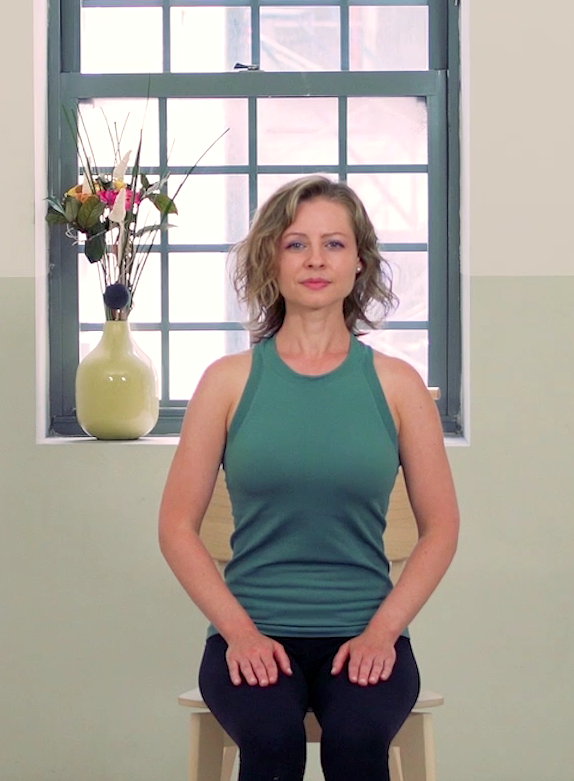
The truth is much simpler, and much more forgiving.
Mindfulness is not a posture. It’s not a personality type. It’s not a special talent. It’s a skill. And like any skill, it can be practiced in smaller, more human ways without making your life feel like a spiritual performance review.
A definition that has shaped a lot of modern mindfulness teaching is Jon Kabat-Zinn’s: mindfulness as moment-to-moment, non-judgmental awareness.
If that’s the definition, then you can practice mindfulness in a hundred ways that do not involve sitting like a statue.
This guide is for beginners, skeptics, busy people, and anyone who wants something practical. We’re going to keep it real and still keep it smart.
First, a gentle reframe: mindfulness is attention training
Most people think mindfulness is “emptying the mind.” That misconception turns the whole thing into a failure trap. Minds produce thoughts. That’s what they do, the way lungs produce breath.
In research on brief mindfulness training, even short interventions can show measurable effects on outcomes like stress or negative mood in certain contexts, but results vary widely and depend on factors like who the participants are, what the practice includes, and how it’s delivered.
That’s a fancy way of saying: you don’t need perfection. You need repetition.
Mindfulness works when you practice this loop:
Notice where attention went
Return it gently
Repeat
That’s it. That’s the workout.
The “No Meditation” Myth: you don’t need long sitting to build mindfulness
Do you need meditation to become mindful? Some traditional sources will argue yes. But in real life, many people build strong mindfulness skills through brief practices and mindful activity, especially when time, stress, or temperament makes long sits unrealistic.
There’s growing research interest in self-administered and brief mindfulness exercises. A large 2024 study in Nature Human Behaviour found that brief self-guided mindfulness exercises reduced short-term self-reported stress compared to an active control, with some exercises (like body scans) showing the largest effects.
And systematic reviews of brief mindfulness-based interventions suggest that even practices as short as 5 minutes can affect certain health-related outcomes, though studies are heterogeneous.
So here’s my beginner-friendly truth: you can begin without meditating. You can build the skill first, then decide later if formal meditation fits your life.
What people actually ask online (and what I answer in the studio)
The same questions come up again and again. They usually sound like:
“How do I do mindfulness if I can’t sit still?”
“Is mindfulness just relaxation?”
“How long do I have to do this for it to matter?”
“Can I be mindful while doing normal things like brushing my teeth?”
My answers are consistent:
You don’t need stillness to practice mindfulness.
You don’t need calm to practice mindfulness.
You do need a practice that you’ll actually repeat.
Now let’s get practical.
10 ways to be mindful without meditating
(Each one is a real skill-builder, not a cute quote)
1) The 1-Breath Reset
This is the smallest practice I know that actually changes a day.
You pause. You exhale longer than you inhale. You feel your feet. Then you move on.
Why it works: longer, slower exhalation is commonly used to shift arousal downward. It’s not a magic switch, but it’s a reliable “tone changer” for the system. Breathwork research overall suggests breath-based interventions can improve stress and mental health outcomes, although methods vary widely.
Try it: Before you open your laptop, before you answer a message, before you step into the next room, do one long exhale like you’re fogging a mirror.
My Pro Tip: Don’t wait until you’re stressed. Train this on neutral moments so it’s available under pressure.
2) Mindful Hand-Washing
Hand-washing is already a ritual. We just make it conscious.
Feel the temperature. Notice the soap. Feel the friction. Watch the water carry things away.
Why it works: it anchors attention in sensation, which pulls the brain away from rumination and into direct experience. This is classic mindfulness training, but without any “meditation voice.”
Try it: Wash your hands without thinking about what comes next. Just for 20 seconds.
My Pro Tip: If your brain keeps running, don’t fight it. Just keep returning to sensation. Returning is the practice.
3) The “Name 3 Things” Check-In
This is mindfulness for people who don’t want mindfulness.
Name three things you can see.
Then three things you can feel (physically).
Then one thing you can hear.
Why it works: it’s a fast attention reorientation. It also helps people who get overwhelmed by internal focus, because it uses the environment as an anchor.
Try it: Do this before a meeting, before you drive, or when you feel yourself spiraling.
My Pro Tip: If you feel anxious doing body-focused practices, start externally first (sight/sound), then move inward.
4) Mindful Walking
Mindful walking isn’t “going for a walk.” It’s walking with a job: feeling the steps.
Research on mindful walking and mindful nature walking suggests it can improve things like mood, sleep quality, and trait mindfulness, though effects vary by design and environment.
Try it: Walk for 3 minutes and feel the heel-to-toe shift of each step. Let your arms swing naturally. Let your shoulders soften.
My Pro Tip: If you want instant results, stop trying to feel peaceful. Try to feel specific: weight transfer, foot contact, breath rhythm.
5) “One Task, One Body” (Single-Tasking)
If your brain is a browser with 47 tabs open, this practice closes one tab.
Choose one task. Feel your body while doing it. That’s it.
Why it works: mindfulness is not only “attention to breath.” It’s attention to what you’re doing as you’re doing it, without scattering your nervous system across five future problems.
Try it: Drink your coffee without scrolling. Or fold laundry without a podcast. Just once.
My Pro Tip: Start with a task you already like. You’re building consistency, not proving toughness.
6) The “Softer Face” Practice
This one changes people in a way they don’t expect.
Relax your forehead. Unclench your jaw. Let your tongue rest. Soften around the eyes.
Why it works: facial tension is part of the stress loop. When you soften the face, you often soften the whole system.
Try it: Set a daily cue: every time you touch a door handle, soften your face.
My Pro Tip: If you do nothing else, do this. It’s the fastest way to stop living in a constant micro-grimace.
7) Mindfulness Through Movement (Pilates-style)
Some people become more mindful when they move, not when they sit.
There’s evidence that interventions combining physical activity with mindfulness can improve mental health and wellbeing, potentially more than either approach alone.
The key is not complicated choreography. It’s attention.
Try it: On your next roll-down or squat, keep attention on two things: your breath and the pathway of movement. Not performance. Pathway.
My Pro Tip: Pick one “anchor” per session. I like “ribs over pelvis” plus a long exhale. Simple anchors keep attention stable.
8) The “Micro Body Scan”
Not a 30-minute scan. A 30-second scan.
Check: feet, jaw, shoulders, belly.
If something is braced, let it soften 5%.
Why it works: it builds interoception (your sense of internal state) without making it a big production.
Try it: Do it in the elevator. In the bathroom. Before sleep.
My Pro Tip: Don’t force relaxation. Offer your body permission and see what it accepts.
9) The “Label and Return” Thought Practice
You don’t need to stop thinking. You need to stop being yanked around by thought.
When you notice your mind racing: label it gently.
“Planning.” “Worrying.” “Replaying.”
Then return to one sensation: breath, feet, hands.
Why it works: labeling creates a tiny distance between you and the thought stream. That distance is where choice lives.
Try it: Do this during stressful moments, not just calm ones. That’s where it becomes useful.
My Pro Tip: Use neutral labels. Don’t label thoughts as “bad.” Mindfulness is non-judgmental awareness, not a courtroom.
10) The “End-of-Day Nervous System Landing”
This is for people who feel like they go from work straight into sleep without ever arriving home in their own body.
Choose one transition ritual that tells your nervous system: the day is changing.
Try it: Stand with your back against a wall for 60 seconds. Feel the back of the skull, ribs, pelvis. Exhale slowly. Let the eyes soften.
My Pro Tip: Make it ridiculously easy. The ritual matters more than intensity.
What to expect (so you don’t quit too early)
Here’s a realistic timeline I see:
Days 1–7: You mostly notice how busy you are. This can feel annoying. It’s normal.
Weeks 2–4: You start catching stress earlier. You return to center faster.
Month 2+: Mindfulness stops being “something you do” and starts being “something you remember.”
Also, mindfulness is not always soothing immediately. Sometimes it makes you more aware of discomfort. That doesn’t mean you’re broken. It means you’re awake.
And if a practice feels activating or overwhelming, choose a different anchor (external sensation, movement-based mindfulness, shorter duration). This is training, not punishment.
A simple 7-day starter plan (human-friendly, not heroic)
Day 1: 1-Breath Reset, 3 times
Day 2: Mindful Hand-Washing, 1 time
Day 3: “Name 3 Things” Check-In, 2 times
Day 4: Mindful Walking, 3 minutes
Day 5: Softer Face Practice, 5 cues
Day 6: Micro Body Scan, 30 seconds
Day 7: End-of-Day Landing, 60 seconds
Repeat the week. That’s how a practice becomes yours.
Mindfulness without meditating is still mindfulness
If you take nothing else from this guide, take this:
You don’t need to meditate to begin.
You need to practice attention in a way you can repeat.
And you need to stop treating your mind like an enemy for being a mind.
Mindfulness is moment-to-moment awareness. It’s the skill of returning. It’s the ability to be where you are without immediately trying to escape.
Start small. Make it real. Make it yours.
Resources
Jon Kabat-Zinn, definitions and foundational framing of mindfulness
Sparacio et al. (2024), Nature Human Behaviour: self-administered mindfulness exercises and short-term stress reduction
Howarth et al. (2019), systematic review: effects of brief mindfulness-based interventions, including very short sessions
Schumer et al. (2018), meta-analysis: brief mindfulness training and negative affectivity; notes on heterogeneity/publication bias
Fincham et al. (2023), meta-analysis: breathwork and effects on stress and mental health
Remskar et al. (2024), review: combining physical activity with mindfulness for mental health and wellbeing
Ma et al. (2022), mindful walking intervention effects on sleep quality and mood
Montalva-Valenzuela et al. (2025), systematic review: mindful/walking meditation outcomes
Institute for Mindful Leadership (common mindfulness questions that reflect public concerns)