15 Myths About Pilates, Mindfulness, and Balance (Debunked)
A more personal, more useful, more science-grounded guide from inside the studio
People don’t come to Pilates or balance work as blank slates. They come with beliefs they’ve collected from social media clips, wellness headlines, gym culture, rehab stories, and sometimes one unfortunate class that made them feel like a failure.
I see it constantly: someone tries mindfulness once and thinks they “can’t do it” because their mind was loud. Someone tries Pilates once and thinks it’s “just stretching” because it didn’t look like a bootcamp. Someone avoids balance work because wobbling feels embarrassing.
Here’s the truth I’ve learned from years of teaching: most progress starts the moment we stop trying to “do wellness right” and start understanding what’s actually going on in the body. This article is a myth-busting map. Not to be dramatic, but if you drop even three of these myths, your body usually feels the difference within weeks.
Pilates for wellness: 5 myths debunked
Myth 1: “Pilates is just stretching, not real strength.”
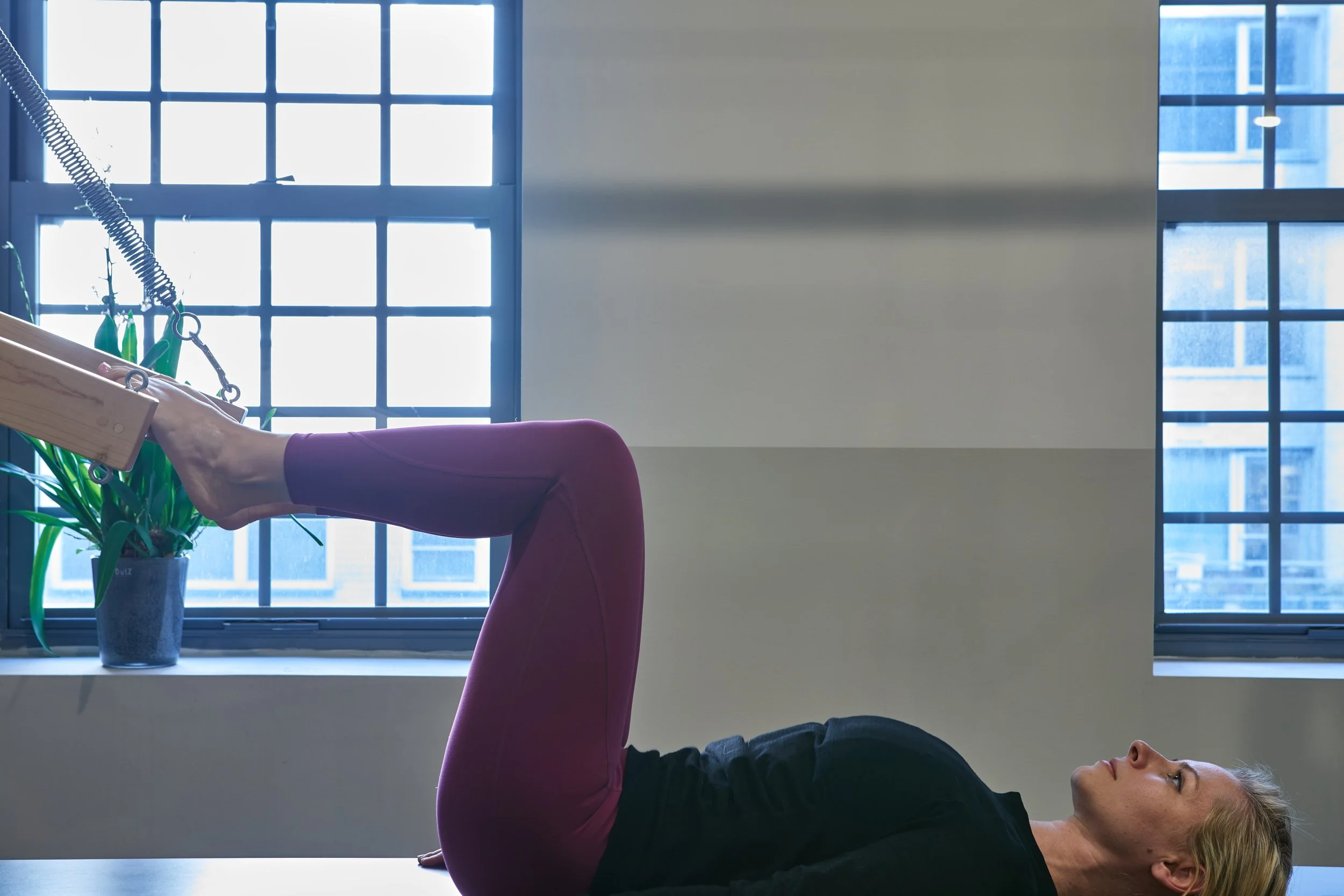
This myth survives because Pilates often looks calm. But calm movement can still be demanding in a very specific way: it asks for control under tension. When you move slowly and precisely, your body can’t cheat with momentum. You have to stabilize from the inside out, which recruits deep trunk muscles and small stabilizers that don’t get the spotlight in traditional “big lift” training.
There’s also a misunderstanding about what “strength” means. Strength isn’t only how much you can lift once. It’s also your ability to maintain alignment, produce force repeatedly without compensation, and distribute effort efficiently. Pilates builds the kind of strength that shows up when you can carry something heavy without clenching your jaw, or when your lower back stops doing everyone else’s job.
In clinical and research contexts, Pilates is often studied in relation to core activation and low back pain management because it trains trunk control and coordination. The point is not that Pilates is “magic.” The point is that it can develop strength qualities that many people are missing, especially people who are strong in the gym but still feel unstable in life.
My Pro Tip: If Pilates feels “easy,” make it honest. Slow down. Lengthen the exhale. Hold the hardest part of the movement for two full breaths without changing your rib position. When you stop rushing, Pilates stops being polite.
Myth 2: “Pilates is only for women, dancers, or flexible people.”
This is marketing residue, not reality. Pilates is a movement system that scales to the nervous system and the body in front of you. A dancer may use Pilates to refine control and alignment. A desk worker may use Pilates to undo chronic compression patterns. An athlete may use Pilates to build rotational control and prevent recurring tweaks. An older adult may use it to keep getting up from the floor without fear. These are wildly different goals, and the method can serve all of them when it’s taught properly.
Also, flexibility is not the entry ticket. In fact, many people feel better with Pilates because it improves joint positioning and muscular support, which can create more comfortable range of motion. For some bodies, “stretching more” is exactly the wrong idea. They need stability first, then mobility that doesn’t destabilize them.
My Pro Tip: If you don’t “feel like a Pilates person,” start with function, not aesthetics. Choose work that improves your daily life: spine mobility you can control, hip stability, breath that actually moves your ribs, and a core that supports you without gripping.
Myth 3: “Reformer Pilates works. Mat Pilates doesn’t.”
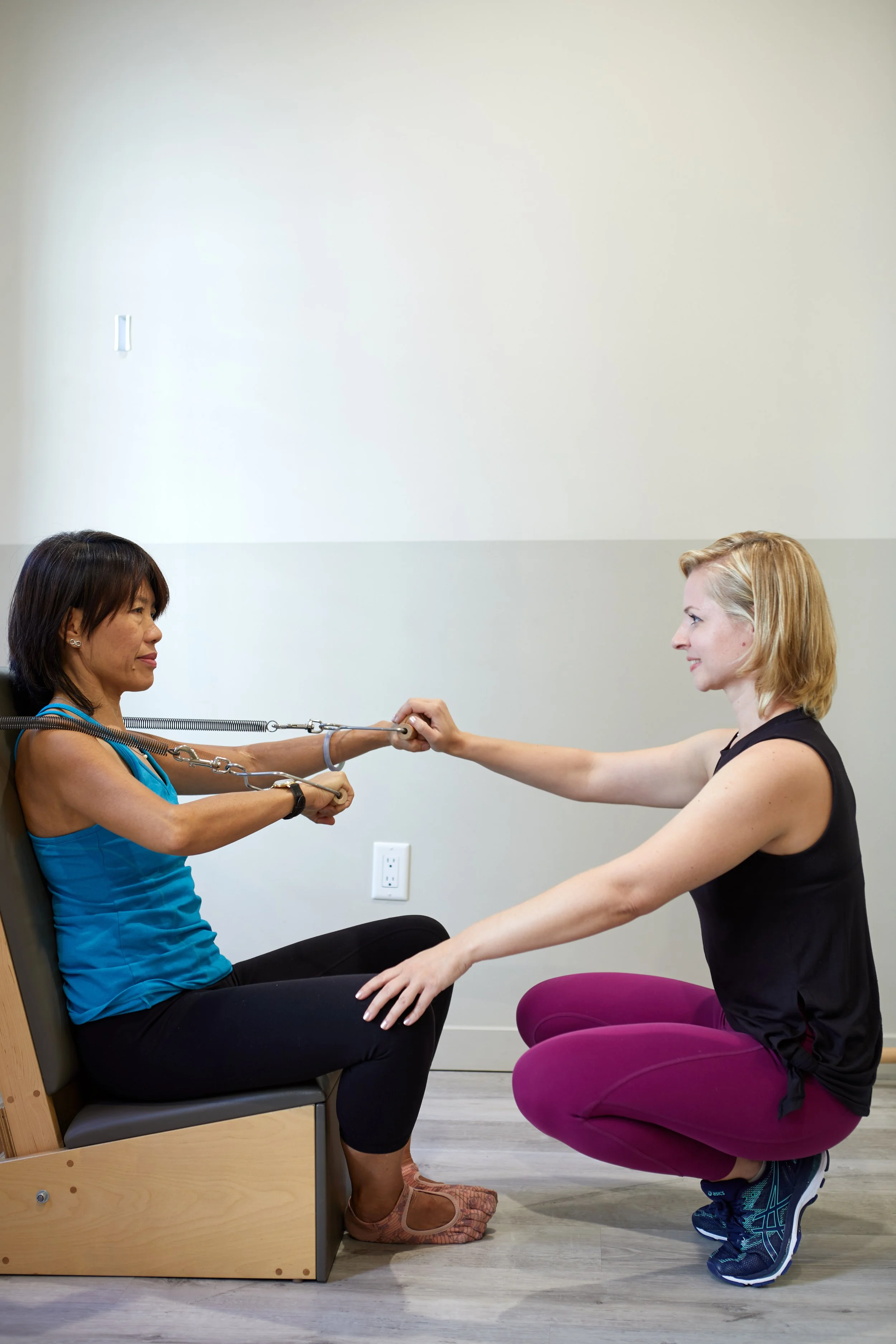
This myth confuses equipment with effectiveness. The reformer is an amazing tool. Springs can assist or challenge, and the feedback can teach timing and control. But mat Pilates can be brutally effective because it asks your body to organize itself without help.
Mat work often exposes compensations more clearly: rib flare, neck gripping, hip hiking, breath holding, shallow breathing, low back bracing. When the floor becomes the “apparatus,” you learn what you’re actually doing. And that awareness is what transfers to real life.
The more important point is dosage and design. A reformer class can be random and performative. A mat program can be structured and progressive. The body responds to consistent training stimuli, not to the price tag of the equipment.
My Pro Tip: If you do mat Pilates at home, don’t chase sweat. Chase precision. Pick three movements you can repeat weekly and track whether you can keep your form longer, breathe more steadily, and feel less “effort in the neck.”
Myth 4: “Pilates is automatically safe for everyone.”
Pilates is often lower impact, yes. But “lower impact” doesn’t mean “universally appropriate in every variation.” Certain spinal flexion patterns can be inappropriate for osteoporosis. Some people with hypermobility need less range and more stability. People postpartum may need careful load management. People with vestibular sensitivity may need thoughtful pacing. People with chronic pain may need a graded approach that respects the nervous system.
Pilates is safest when it’s individualized: movement choices match the person’s needs, the intensity is progressed gradually, and “challenge” doesn’t mean “strain.” One of the most common reasons people quit exercise is that they feel worse after trying to get better. That’s not a willpower problem. That’s a programming problem.
My Pro Tip: Use a simple rule: discomfort is information, not a badge. If a movement causes sharp pain, breath-holding, jaw clenching, or a feeling of “bracing for survival,” scale it down. The goal is training your system to trust movement again.
Myth 5: “Pilates will fix your posture fast.”
Posture isn’t a single pose you achieve and keep forever. Posture is a living expression of strength, mobility, breathing mechanics, energy level, stress, and habit. You can have “perfect posture” for 30 seconds and still collapse into the same pattern by 4 p.m. if your system doesn’t have endurance.
Pilates can absolutely support posture because it trains trunk organization, scapular control, spinal mobility, and breath mechanics. But the real posture win is not looking straighter. It’s feeling less fatigued in your body. It’s noticing you can stand longer without compressing your lower back or craning your neck.
My Pro Tip: Don’t “correct posture.” Create posture endurance. Choose one daily anchor: whenever you stand up from a chair, exhale fully and let the ribs soften down before you take the next step. That’s nervous-system-friendly posture training.
What is mindfulness: 5 myths debunked
Myth 6: “Mindfulness means clearing your mind.”
This myth makes people quit immediately, because most minds are not quiet when you finally stop and listen. Mindfulness is not the absence of thoughts. It’s the ability to notice thoughts as events, not commands. The practice is building attentional stability: you realize you drifted, you return, and you do it again. That “return” is the repetition. That’s the training.
A loud mind doesn’t mean you’re failing. It often means you’re finally noticing what was there all along, running in the background. If you treat mindfulness like a performance, you’ll hate it. If you treat it like skill-building, it becomes usable.
My Pro Tip: Use a label that makes it practical. Instead of “I’m meditating,” tell yourself “I’m training my attention.” When your mind wanders, don’t scold it. Just return like you’re guiding a child back to the sidewalk.
Myth 7: “Mindfulness is relaxation.”
Sometimes mindfulness feels calming. Sometimes it feels like turning on the lights in a room you’ve avoided. It can reveal tension, grief, irritability, or restlessness. That’s not a sign mindfulness is bad. It’s a sign you’re present enough to notice what’s actually happening.
Mindfulness helps with emotional regulation because it creates a pause between sensation and reaction. It doesn’t erase discomfort. It improves your capacity to stay with experience without spiraling, catastrophizing, or dissociating. Over time, many people experience less stress reactivity, not because life becomes easier, but because their response becomes more flexible.
My Pro Tip: Stop judging sessions by how calm you feel afterward. Judge them by one metric: did you notice yourself drifting and come back even once? That’s a successful session. That’s nervous system training.
Myth 8: “If you can’t do 20–30 minutes, it’s not real mindfulness.”
This is the fastest way to make mindfulness another self-improvement punishment. For most people, consistency wins. Short practices repeated often train the brain and nervous system more reliably than occasional long sessions that feel like chores.
Micro-mindfulness matters because it integrates into daily life, which is where you actually need regulation. The point is not creating a perfect meditation routine. The point is building the skill of returning to the present when life is loud.
My Pro Tip: Attach it to something you already do. One mindful breath before coffee. Three slow breaths before opening your laptop. One exhale while feeling your feet before stepping out of the car. Make it automatic, not aspirational.
Myth 9: “Mindfulness is religious, mystical, or not ‘for me.’”
Mindfulness has historical roots in contemplative traditions, but modern mindfulness in health and psychology settings is often taught in a secular way. At its core, mindfulness is attention, awareness, and non-reactivity practice. You can approach it like you’d approach sleep hygiene or strength training: it’s skill development.
Also, you don’t have to like the word. If “mindfulness” makes you roll your eyes, call it “attention practice” or “nervous system awareness.” The body doesn’t care what you name it. The nervous system cares whether you practice.
My Pro Tip: If the language feels cringe, strip it down. Use one question: “What do I notice right now in my body?” That’s it. That’s mindfulness, and it’s incredibly grounded.
Myth 10: “Mindfulness is always safe to do alone, in any form.”
This matters. For people with trauma history, dissociation, panic, or intense anxiety, certain practices can feel destabilizing, especially long silent sits or deep body scans without support. Mindfulness is not “bad” in those cases, but the form and dose matter.
Many people do better with mindful movement, eyes-open practices, external anchors (sound, touch), and shorter durations. The goal is regulation and presence, not endurance through overwhelm. A practice that spikes your system into panic isn’t building awareness. It’s rehearsing alarm.
My Pro Tip: If stillness feels unsafe, start with movement-based mindfulness. Slow walking while noticing your feet, gentle Pilates while tracking breath, even washing dishes with full attention. Presence is the goal. Stillness is optional.
Balance exercises and why balance matters: 5 myths debunked
Myth 11: “Balance is only important when you’re older.”
Balance is a life skill. It’s how you navigate curbs, slippery floors, uneven sidewalks, quick turns, carrying bags, stepping over toys, getting up from the floor, catching yourself when you trip. Yes, fall prevention becomes more urgent with age, but that doesn’t mean balance is irrelevant earlier. It means you’re lucky if you haven’t needed it yet.
Balance training is also “future-proofing.” Research consistently shows that balance and functional exercises can reduce fall rates in older adults. The most empowering takeaway is not fear. It’s that balance is trainable. Your nervous system can learn better strategies at any age.
My Pro Tip: If you want a simple daily balance practice, do single-leg standing while brushing your teeth. Switch legs halfway. Stay near the counter. It’s low drama, high payoff.
Myth 12: “Balance is just leg strength.”
Leg strength helps, but balance is a multi-system collaboration. Your brain is constantly integrating input from vision, proprioception (your sense of joint position), and your vestibular system (inner ear) to keep you upright. That’s why balance changes when you close your eyes, turn your head quickly, or stand on a softer surface. You didn’t suddenly get weaker. You changed the sensory information feeding your balance system.
Balance training works best when it respects this reality. You’re not only strengthening muscles. You’re training the nervous system to interpret information and respond efficiently.
My Pro Tip: Train balance in layers. Start eyes open. Then try the same stance with a slow head turn. Then try eyes closed for a few seconds. Always near support. That progression trains the actual balance system, not just the legs.
Myth 13: “Wobbling means you’re bad at balance, so you should avoid it.”
Wobbling is often part of learning. The goal isn’t never wobbling. The goal is recovering smoothly. When you wobble and regain control, your nervous system practices corrective strategies. Avoiding balance work because you wobble is like avoiding reading because you stumbled over a word once.
Of course, there’s a difference between a training wobble and a dangerous wobble. That’s why safety matters: nearby support, appropriate difficulty, and slow progression. But the presence of wobble itself is not failure. It’s feedback.
My Pro Tip: Train wobble with dignity. Stand near a wall or chair. Let your fingertips hover. The nervous system learns faster when it doesn’t feel threatened. Safety is not cheating. It’s smart programming.
Myth 14: “Balance boards are the best way to train balance.”
Balance boards can be useful, but they’re not the only path, and they’re not always the best starting point. Real life balance challenges are often dynamic: stepping, turning, reaching, carrying, changing direction. Functional balance work trains exactly that.
In many cases, simple drills can be more effective and safer: controlled step-backs, heel-to-toe walking, single-leg hinges with support, slow lunges, lateral stepping, and “turn practice” done deliberately. Tools are optional. Progression is essential.
My Pro Tip: Before you add equipment, master transitions. Practice standing up and sitting down slowly without pushing off with your hands. Practice stepping backward smoothly. These are balance skills disguised as everyday life.
Myth 15: “Balance is mostly genetics. It won’t change much.”
Genetics and health conditions matter, but the idea that balance is fixed is simply not supported by what we see clinically or in research on exercise interventions. Balance training can reduce fall risk in older populations, and that’s a big, measurable outcome. It means the system adapts.
In everyday terms: the nervous system can learn. Muscles can coordinate better. Proprioception can improve. Confidence can return. And confidence matters because fear of falling changes movement patterns, often making balance worse. Training balance isn’t just physical. It’s neurological and psychological, too.
My Pro Tip: Measure balance like a skill, not a feeling. Track one thing: how long can you stand on one leg with steady breathing (near support)? Retest weekly. Small improvements build big belief.
The real shift isn’t “doing more.” It’s understanding better.
If you’re looking for a genuine shift in approach, this is it: stop treating Pilates, mindfulness, and balance as separate wellness tasks you have to perform correctly. They’re connected skills that teach the same underlying lesson.
Pilates trains control, coordination, and breath under load.
Mindfulness trains attention, regulation, and recovery from distraction.
Balance training trains stability, sensory integration, and confidence.
All three are practices of returning to center. Not perfectly. Repeatedly. That’s where change happens. Not in one heroic session, but in steady, intelligent repetition that respects the body instead of battling it.