
When Balance Fails on Purpose: Why Instability Is Part of Real Strength
Most people come to Pilates or balance work with the same quiet goal. They want to feel steady. In control. Solid on their feet. Falling, wobbling, or shaking usually feels like proof that something isn’t working.
But in practice, those moments are often where the real work begins.

If you’ve ever stood on one leg and felt everything start to tremble, you’ve probably thought, I’m bad at this. What’s actually happening is more interesting. Your system is learning. Quickly. In real time.
Balance doesn’t grow out of perfection. It grows out of adjustment.
Why Wobbling Isn’t a Mistake
The body learns balance by losing it. That sounds counterintuitive, but it’s how the nervous system gathers information. Every small wobble tells your brain something about where you are in space, how much effort is needed, and which muscles need to respond.
When things feel too easy, there’s very little feedback. When things feel a bit uncertain, the system wakes up.
That shaky moment isn’t failure. It’s data.
In Pilates, especially when balance is involved, instability creates conversation between the feet, the hips, the spine, the eyes, and the breath. It forces coordination. It asks for attention. And it does this without needing force or speed.
What the Nervous System Is Actually Practicing
Balance is not just muscular. It’s neurological.
Every time you adjust to keep yourself upright, your nervous system is practicing decision-making. Not intellectual decisions, but physical ones. Where to shift weight. How much to engage. When to let go.
This matters far beyond the studio.
Life rarely offers stable ground. Stress, fatigue, emotional load, and distraction all affect how steady we feel. Practices that only work when conditions are perfect don’t prepare us very well for real life.
Instability trains adaptability. It teaches the body how to respond instead of freeze. That’s strength most people don’t realize they’re building.
The Difference Between Tension and Support
One of the most common responses to losing balance is gripping. Tightening everything. Holding the breath. Locking the joints.
That can keep you upright for a moment, but it’s not sustainable. It creates effort without ease.
Support feels different. It’s responsive rather than rigid. Muscles engage, then soften. Breath stays available. You’re working, but you’re not bracing.
Pilates, when taught with attention, helps people feel this difference. You learn when effort is useful and when it’s just habit. Over time, balance becomes less about holding on and more about trusting your ability to recover.
Why Practicing Instability Builds Confidence
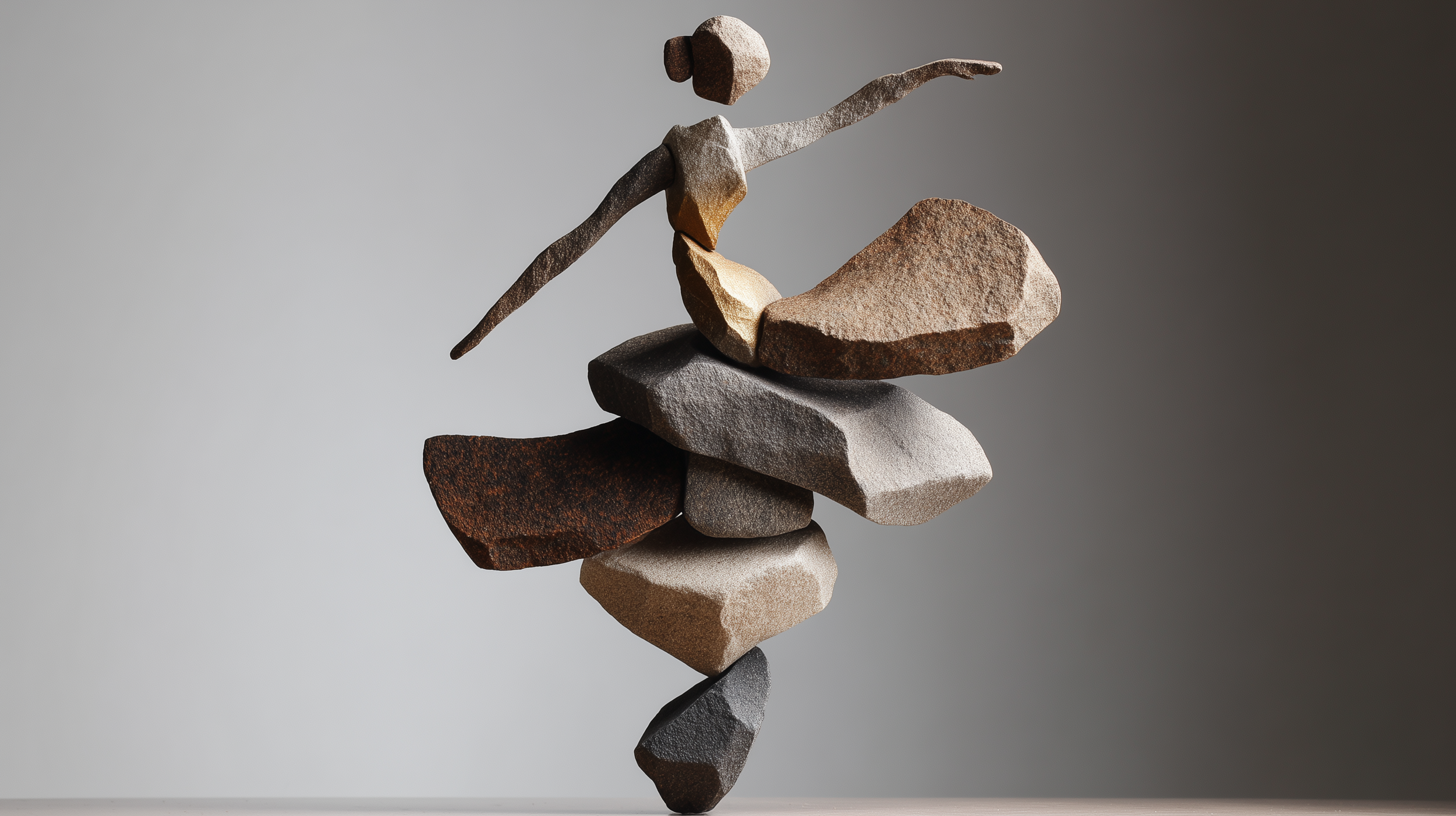
There’s a quiet confidence that comes from knowing you can lose your balance and find it again. Not perfectly. Not instantly. But reliably.
This kind of confidence doesn’t come from avoiding challenge. It comes from meeting it in manageable doses.
When you practice instability in a safe environment, your body learns that wobbling isn’t dangerous. That falling out of position isn’t catastrophic. That you can pause, adjust, and continue.
That lesson carries over. You move differently. You rush less. You trust yourself more.
Balance Changes. That’s the Point.
Balance is not a static skill you achieve once and keep forever. It changes with age, stress, sleep, hormones, injury, and life itself.
Some days you feel grounded. Other days you don’t. That’s not regression. That’s being human.
Practices that allow for instability stay relevant over time. They don’t demand that you be the same person every day. They meet you where you are.
What to Take With You
If balance work feels challenging, you’re probably doing something right.
Instead of aiming for stillness, try noticing how you respond when things shift. How quickly you adjust. Whether you hold your breath or stay with it. Whether you panic or stay curious.
Real strength isn’t about never wobbling. It’s about knowing you can move through it.
That’s balance worth building.