
The Posture Myth: Why Standing Straight Isn’t the Goal
(and why internal lift + dynamic alignment matter so much more)
We’ve all heard it: “Stand up straight.” “Pull your shoulders back.” “Fix your posture.”
For years, this was the gold standard of “good posture”—a stiff, held-together shape we were supposed to maintain at all times, as if we were mannequins instead of living bodies.
But here’s the truth that surprises most people:
Good posture isn’t a shape. It’s a relationship.
And holding yourself rigidly “straight” doesn’t improve your alignment. In fact, it often makes your body work harder in all the wrong ways.
At Banyan & Nomad, we work with people every day who carry years of tension, back pain, or balance issues because they’ve been taught to hold themselves upright instead of learning how to support themselves from within. Posture isn’t something you nail into place — it’s something you live inside of. And that shifts everything.
The Problem With “Stand Up Straight”
The classic posture cue forces your body into military-like alignment: ribs thrust forward, lower back compressed, shoulders pulled back so tightly they can’t actually move. You may look “correct,” but inside, nothing is working well.
When you hold yourself rigid:
your breath gets shallow
your back muscles grip instead of glide
your pelvis loses its ability to move
your neck starts taking on more work than it should
your balance becomes less responsive
In other words, you become a statue.
And statues don’t walk, breathe, or stabilize themselves very well.
That’s why, in functional movement and Pilates-based rehabilitation, we look for something completely different — something your body can actually sustain: dynamic alignment.
Dynamic Alignment: How Your Body Organizes Itself When It Feels Supported
Instead of stacking bones into a rigid column, dynamic alignment teaches your body how to constantly self-correct, the way a tree sways with the wind but never breaks. It’s the alignment that shows up when your deep stabilizers — not your outer “show muscles” — are doing their job.
Dynamic alignment feels like:
soft ribs
a long back instead of a stiff one
hips that can glide as you walk
weight evenly spread across your feet
breath that moves the whole torso
It’s the opposite of bracing.
It’s fluid strength.
And once your body starts to trust this way of organizing itself, everything from balance to joint health improves.
But that still leaves the big question:
If “standing straight” isn’t the goal, what is?
The answer is one of the core principles in our Balance Program.
Internal Lift: The Part Everyone Feels but Can’t Quite Describe
Internal lift is the quiet intelligence inside your posture — the sensation that your body is rising from its center rather than being pulled from the outside. When you find internal lift, you no longer “hold yourself up.” You’re carried upward, almost effortlessly, from deep inside.
This lift doesn’t come from your shoulders or chest.
It starts much lower — from the wrap-around muscles of your core, pelvic floor, and deep spinal stabilizers. When these muscles begin to work together, they help elongate your spine like an inhale that continues upward forever.
When people feel internal lift for the first time, they always say the same thing:
“I feel taller… but softer.”
And that’s exactly what we want.
Internal lift supports dynamic alignment the way roots support a tree — not by freezing it, but by helping it move with intelligence and ease.
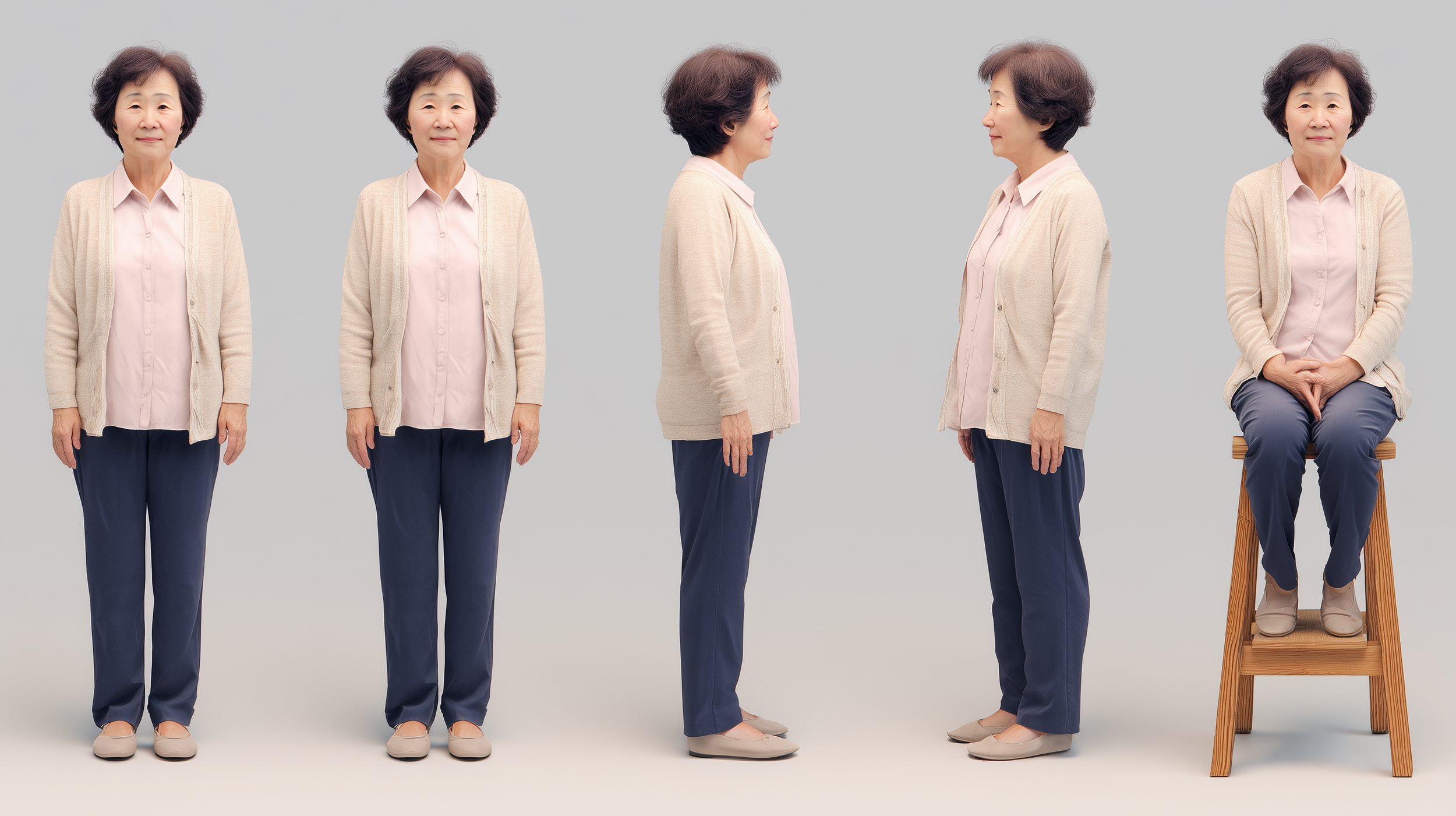
Why This Matters for Pain, Aging, and Balance
When you switch from “posture as shape” to “posture as relationship,” your whole body behaves differently.
People notice things like:
their lower back stops overworking
their shoulders stop clenching
they stop gripping their glutes just to stand
their feet spread naturally and hold weight more evenly
turning, reaching, bending all become easier
balance becomes more responsive and less effortful
Most importantly, movement becomes sustainable.
Your body isn’t trying to keep you upright through tension — it’s doing it through coordination. This is why the Balance Program starts with internal lift from Week 1 and keeps returning to it through every stability disk exercise, every footwork pattern, every dynamic sequence.
It’s also why older adults often improve their balance faster than expected: when the internal lift wakes up, the whole system reorganizes.
So, What Is Good Posture?
Good posture is:
the willingness of your spine to move
the ease with which your breath expands your ribs
the quiet, internal support you feel rather than the stiffness you create
the ability to respond to the world around you — uneven sidewalks, turning your head, carrying groceries, climbing stairs — without collapsing or bracing
Good posture is a living process, not a frozen pose.

The goal is not to “stand straight.”
The goal is to stand alive — dynamically, responsively, with internal lift guiding your body upward from the inside.
This is the kind of posture that prevents falls, reduces pain, supports aging, and lets you move through life with more confidence and less strain.
If You Want to Experience This in Your Own Body
The Balance Program was built around this exact philosophy:
movement that teaches your body how to support you, not just how to look “aligned.”
Through eight weeks of progressive footwork, core intelligence, vestibular training, and everyday functional movement, you learn how to feel the internal lift that realigns everything from your feet to your breath.
If you’re ready for posture that feels natural, supported, and effortless — not forced — this program is the perfect place to begin.
Just ask, and I’ll help you integrate it into your next steps.